
Game Design
Luci's Lemonade Stand
TEAM:
Anantha : programmer, gameplay designer
Chris : programmer, project manager
Brieyh'leai : 2D/3D artist, character modeling
Jiaqui : programmer, technical artist
Adrienne : 2D artist, prop modeler, animator
Emily : 2D artist, prop modeler
Lauren : gameplay designer & visual storyteller
Project Overview:
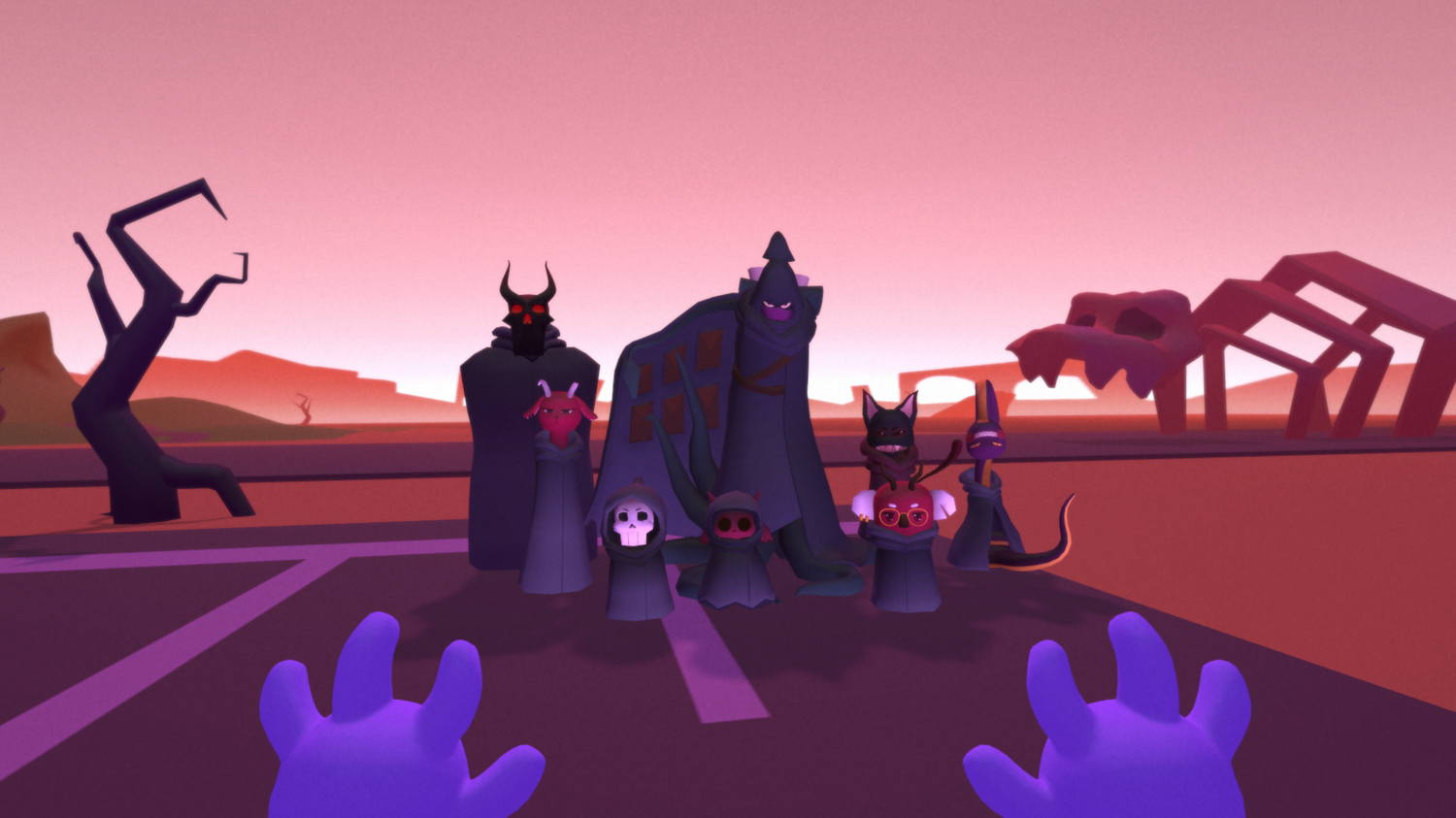
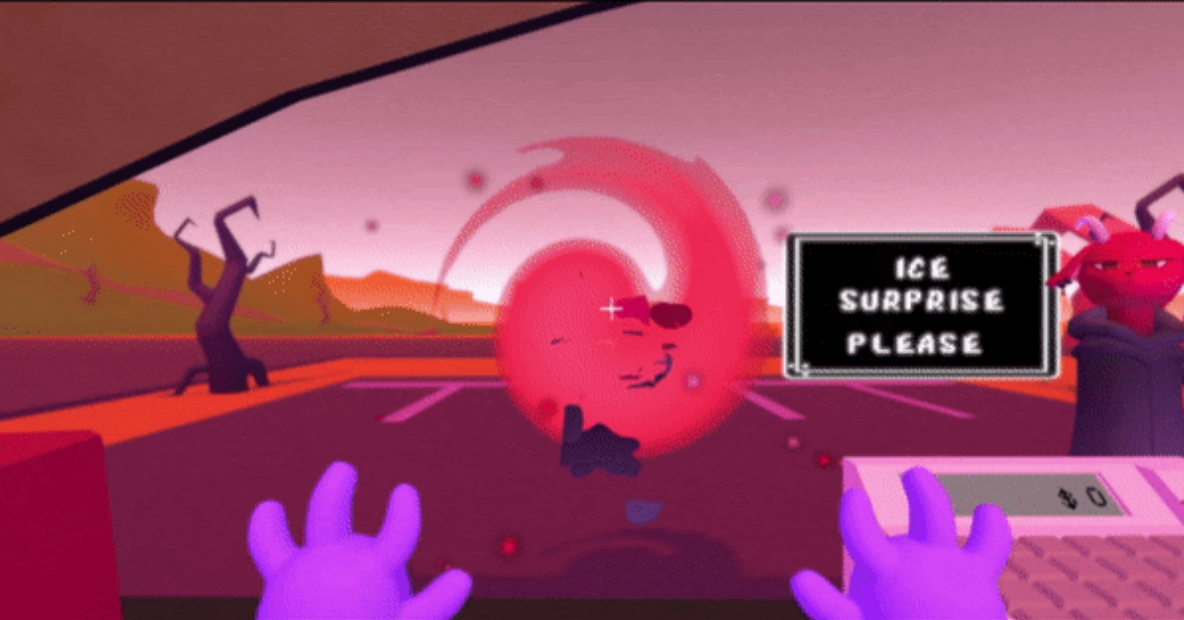
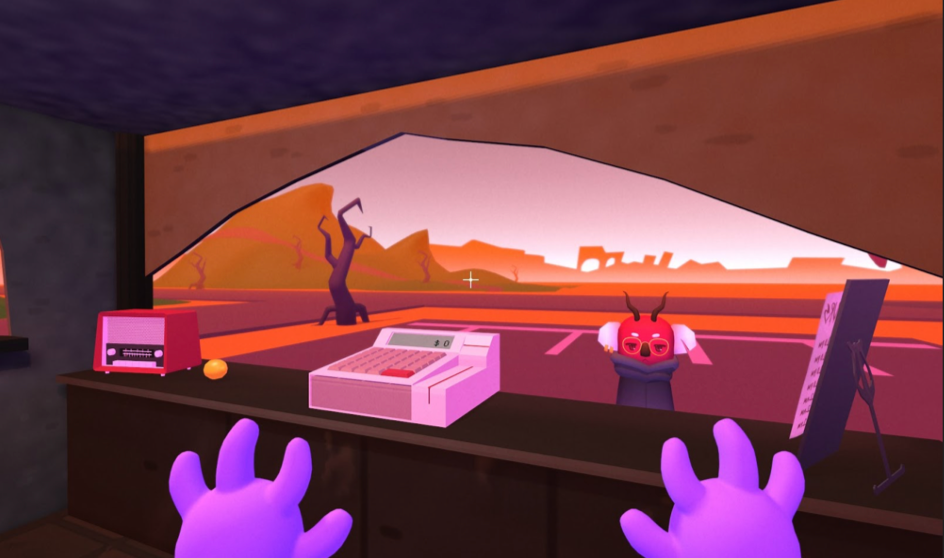
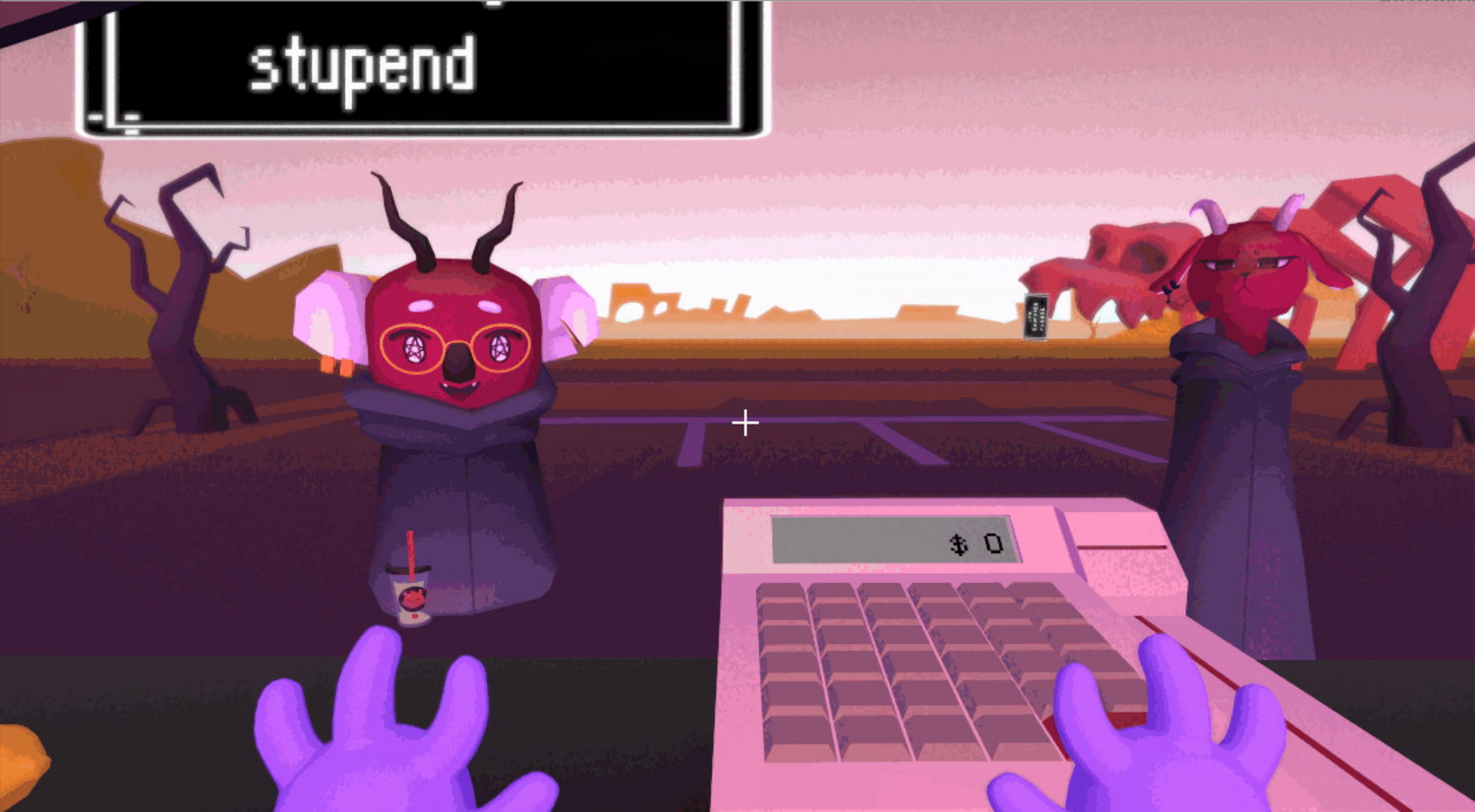
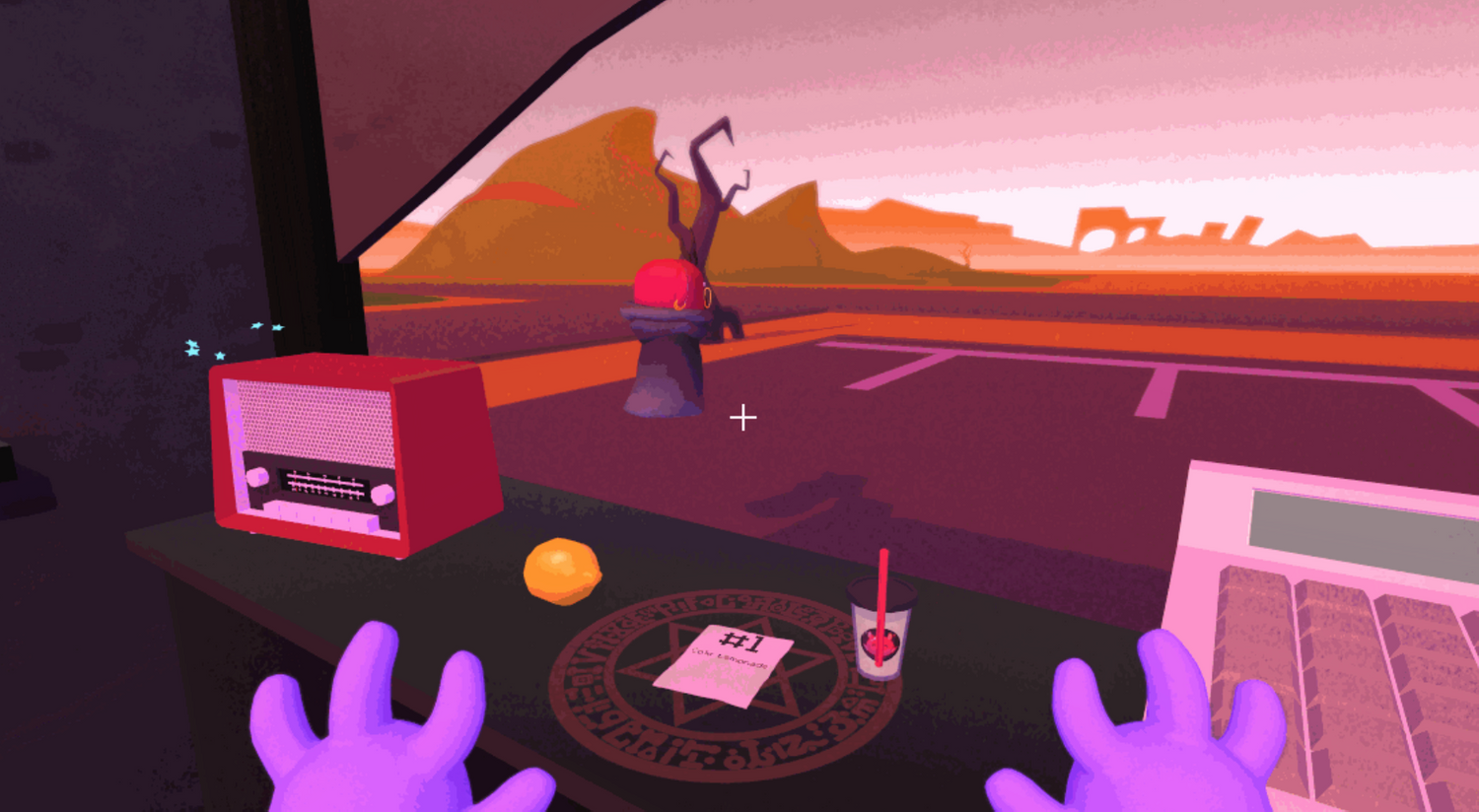
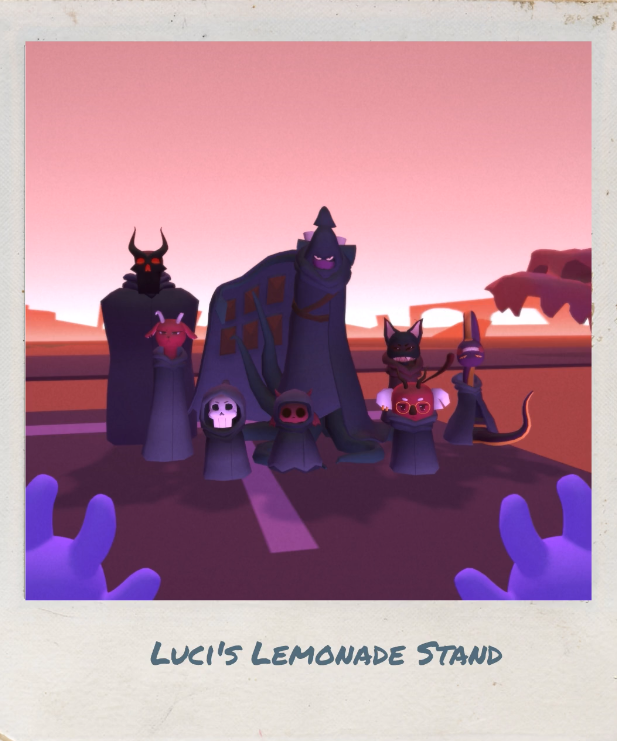
Luci's Lemonade Stand takes place in a whimsically dark underworld, where a mysterious merchant tasks players with running a lemonade business. As players serve quirky denizens of this hellish suburbia, the oppressive environment gradually becomes more enjoyable. The ultimate goal is to grow the lemonade stand into a full-fledged restaurant, unlocking new items, upgrades, and visual storytelling elements along the way.
The Design Inspo
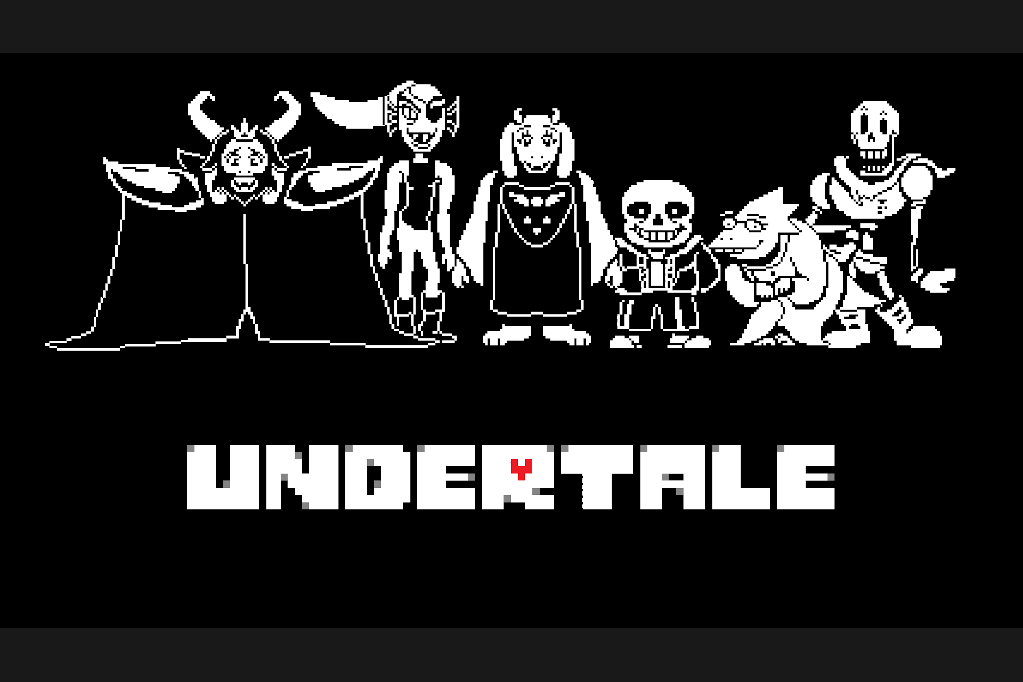
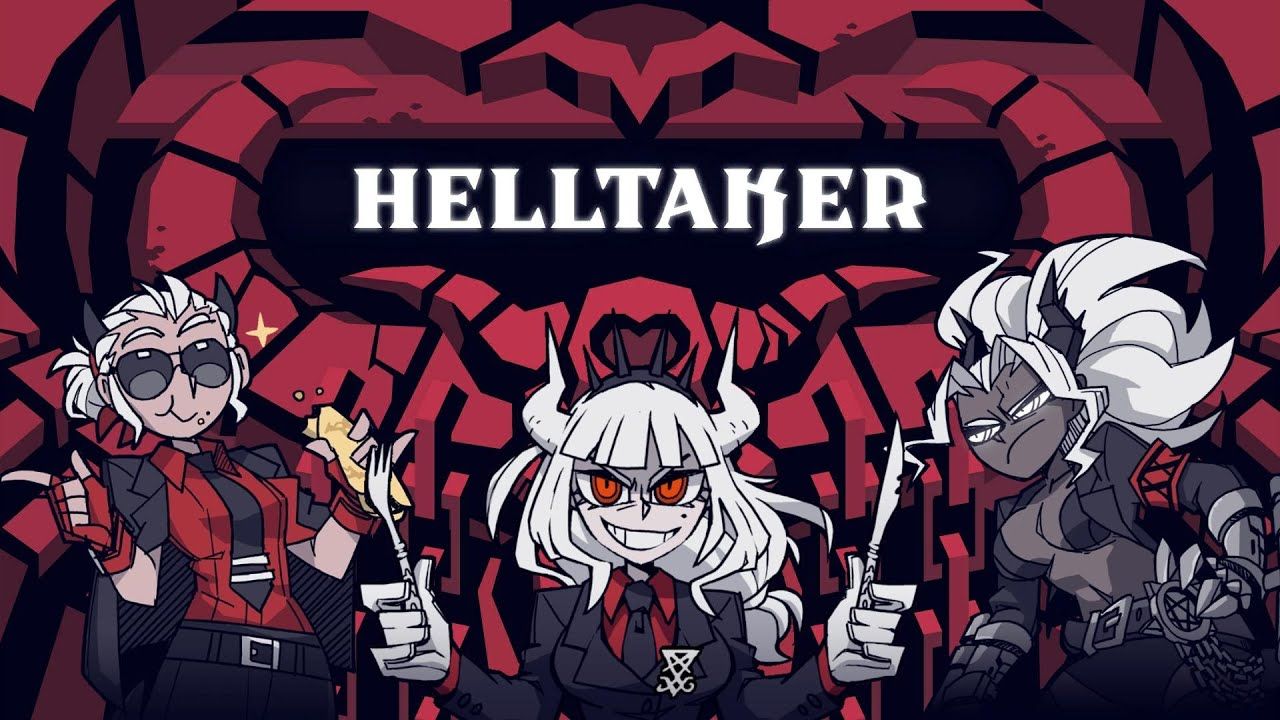
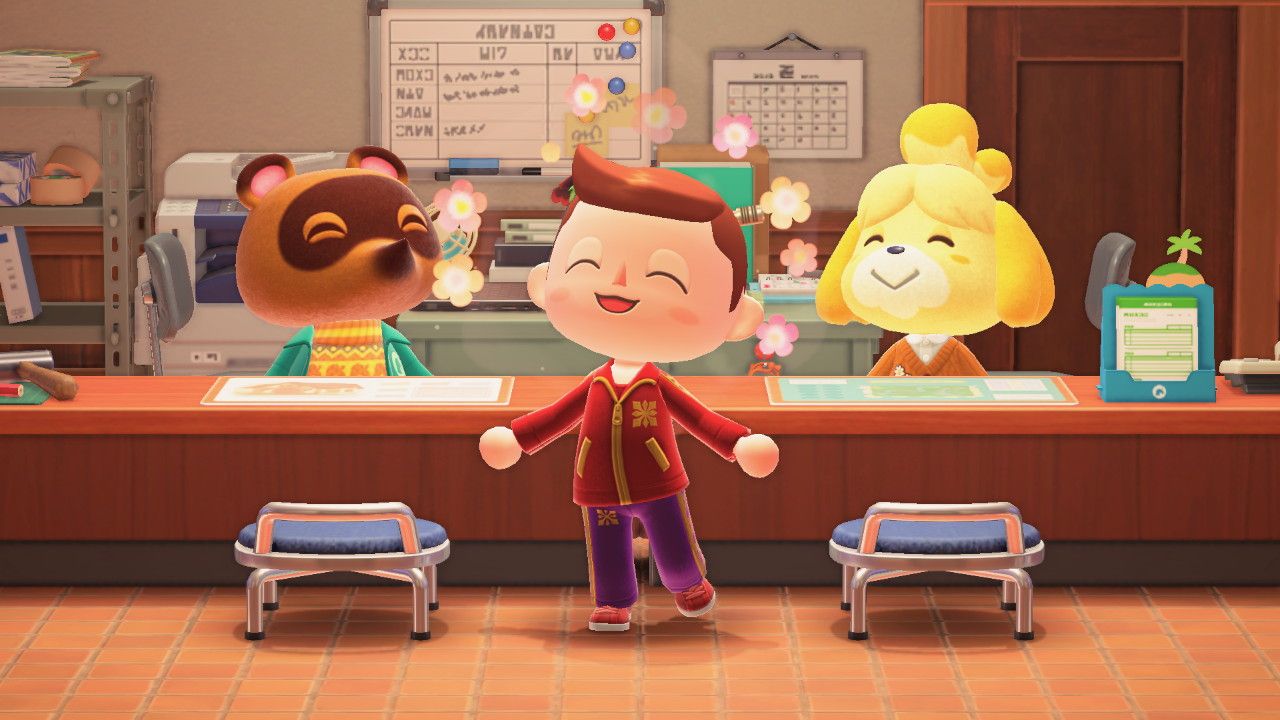
The aesthetic draws from games such as Undertale, Helltaker, and Animal Crossing, combining playful visuals with dark, sarcastic undertones. This blend creates a unique, immersive world that sets the tone for both narrative and gameplay progression.
Design Process
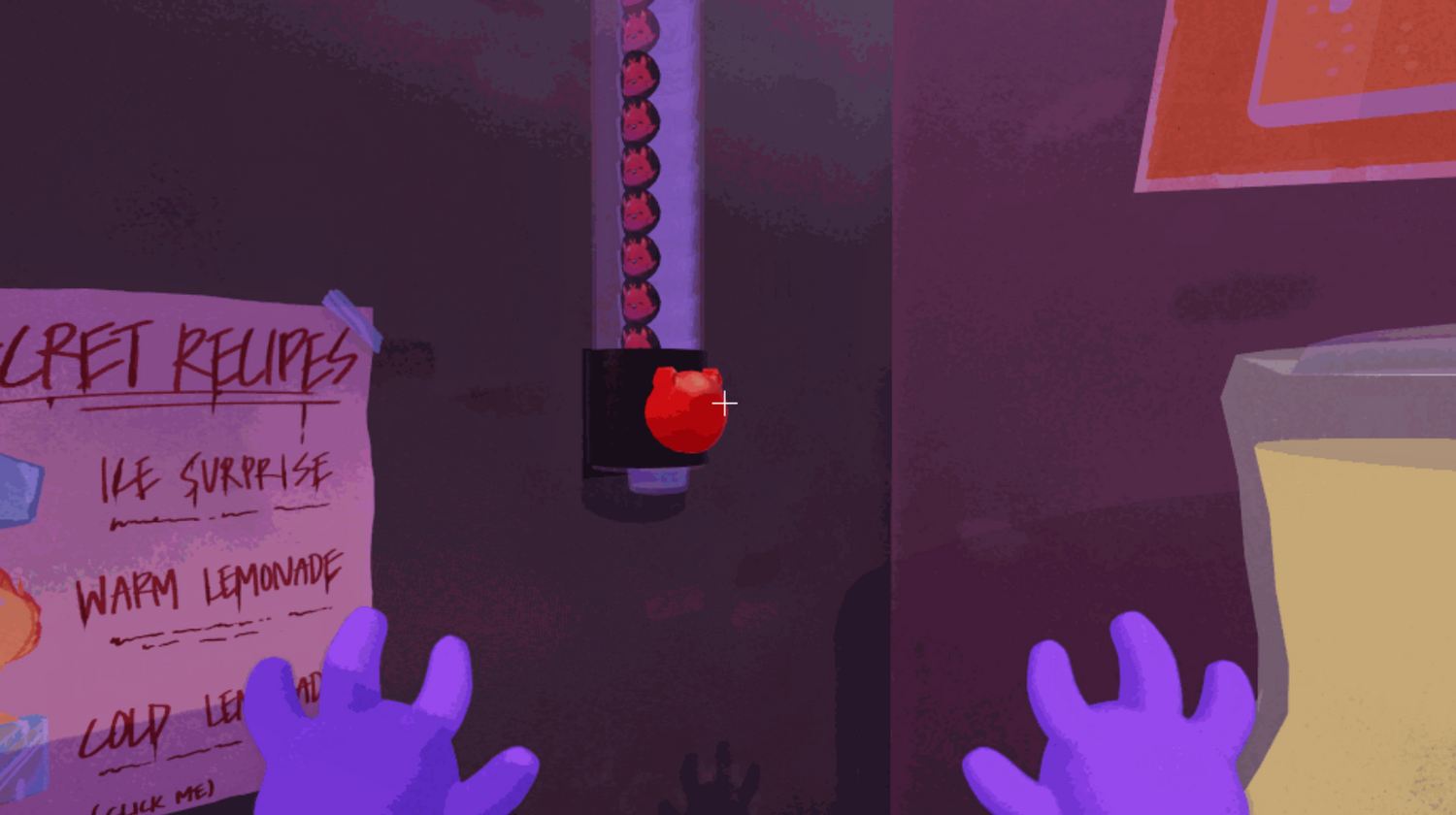
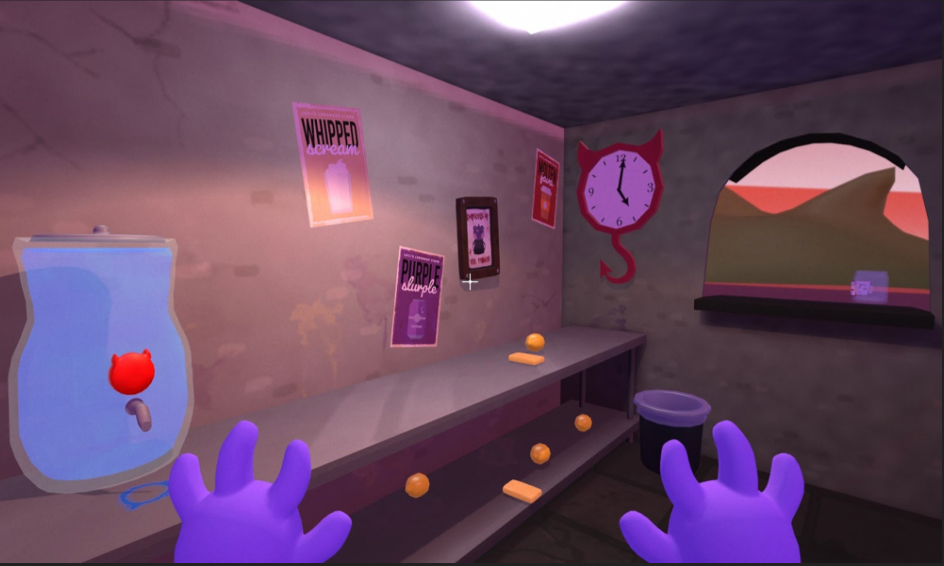
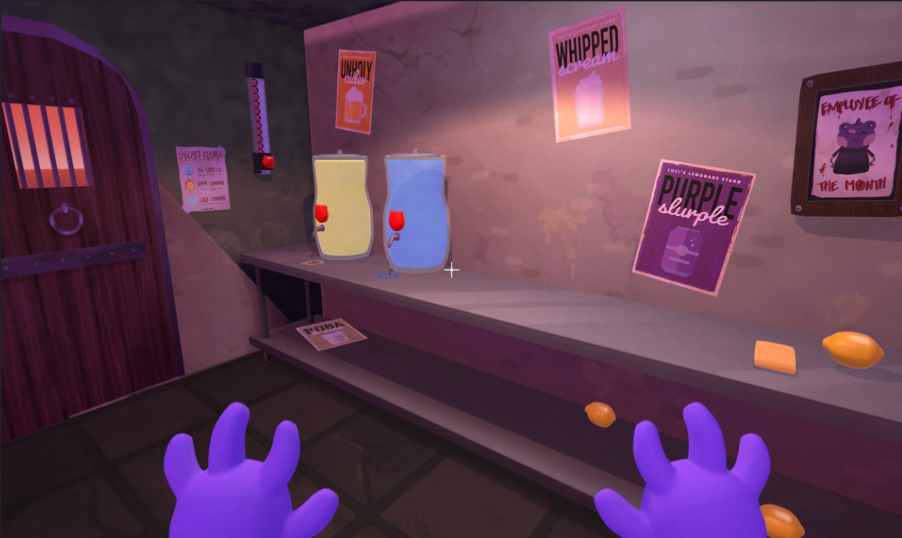
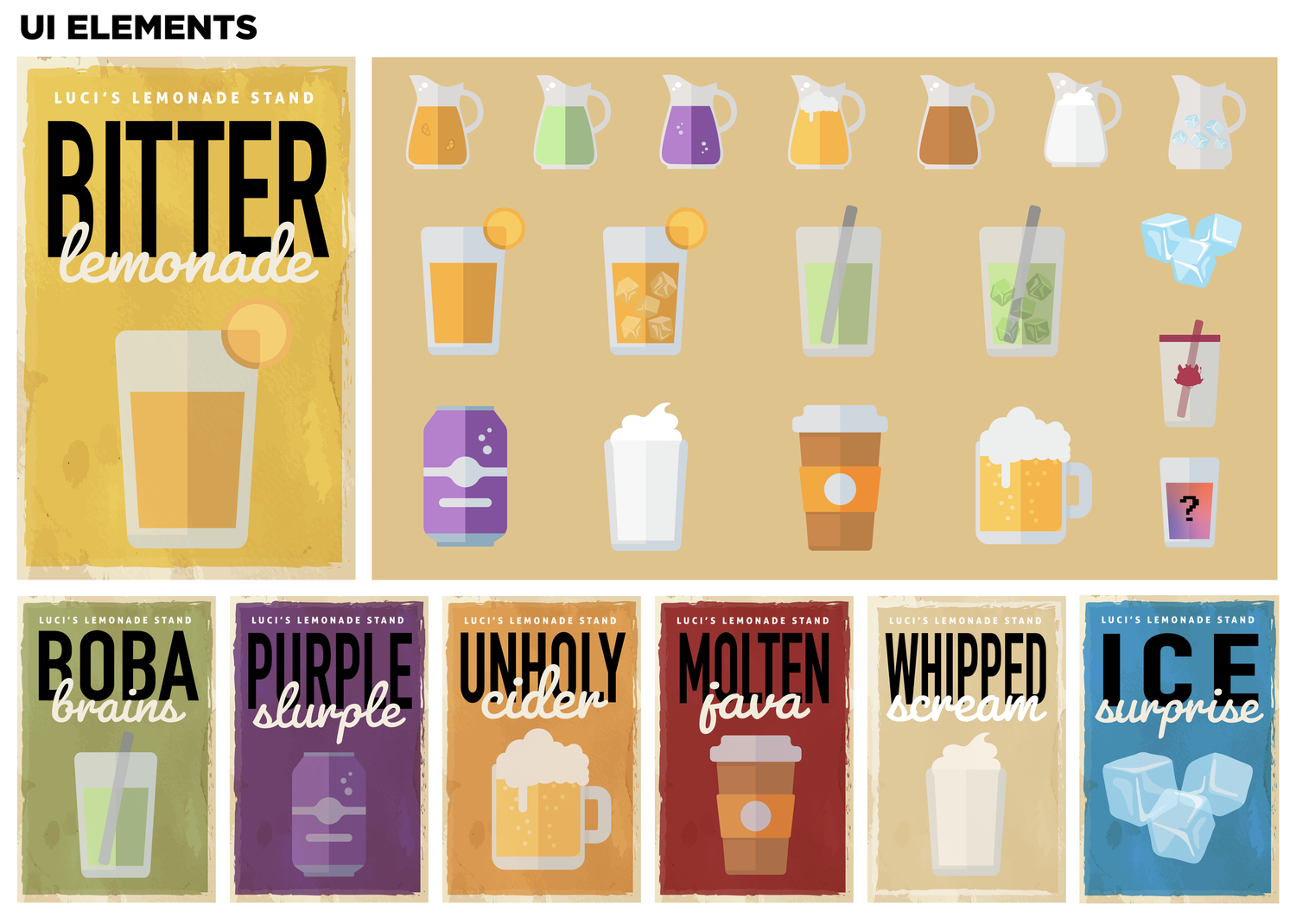
I led the creation of the game's dynamic interactive elements, designing a system that allowed in-game assets (such as posters, menu items, and icon) to evolve as the player progressed. Each asset was carefully crafted in multiple states to reflect gameplay milestones and user actions, subtly reinforcing the story and the player’s sense of progression.
UI/UX Integration:
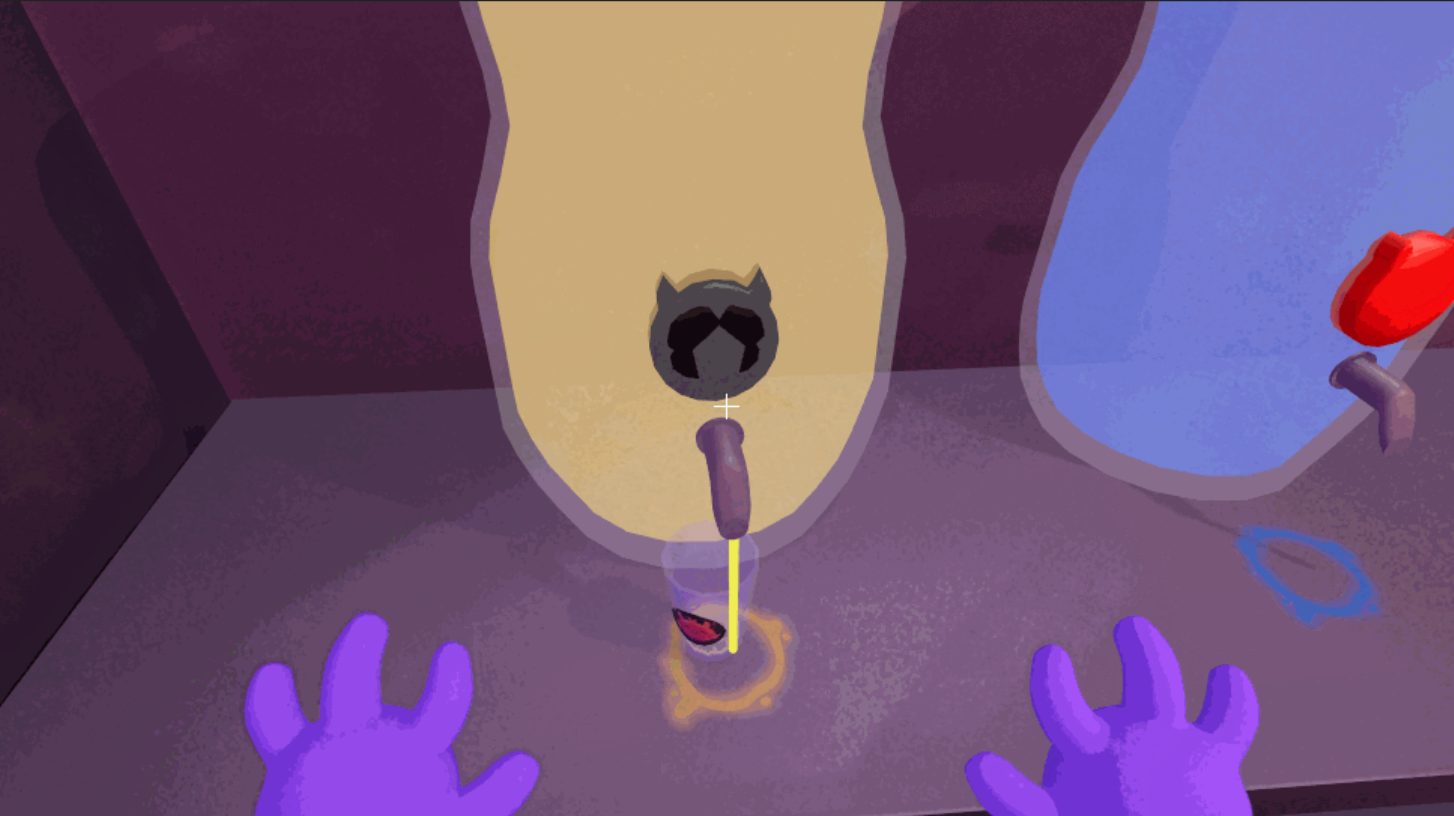
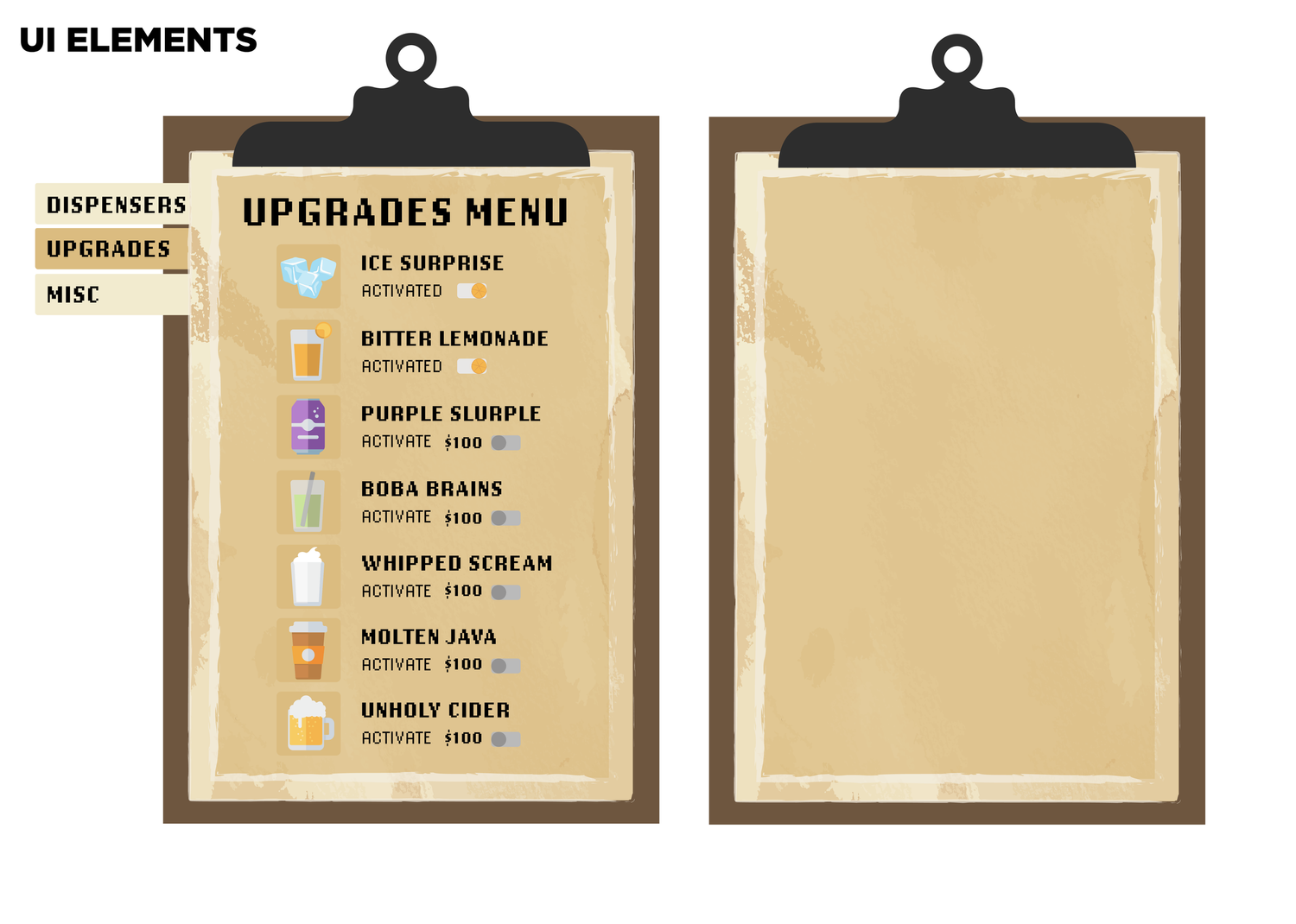
I designed intuitive interactions, ensuring players could easily navigate the start menu, in-game purchasing menus, and upgrades. Each element was thoughtfully placed and visually clear, supporting both usability and immersion.
Asset Design & Iteration:
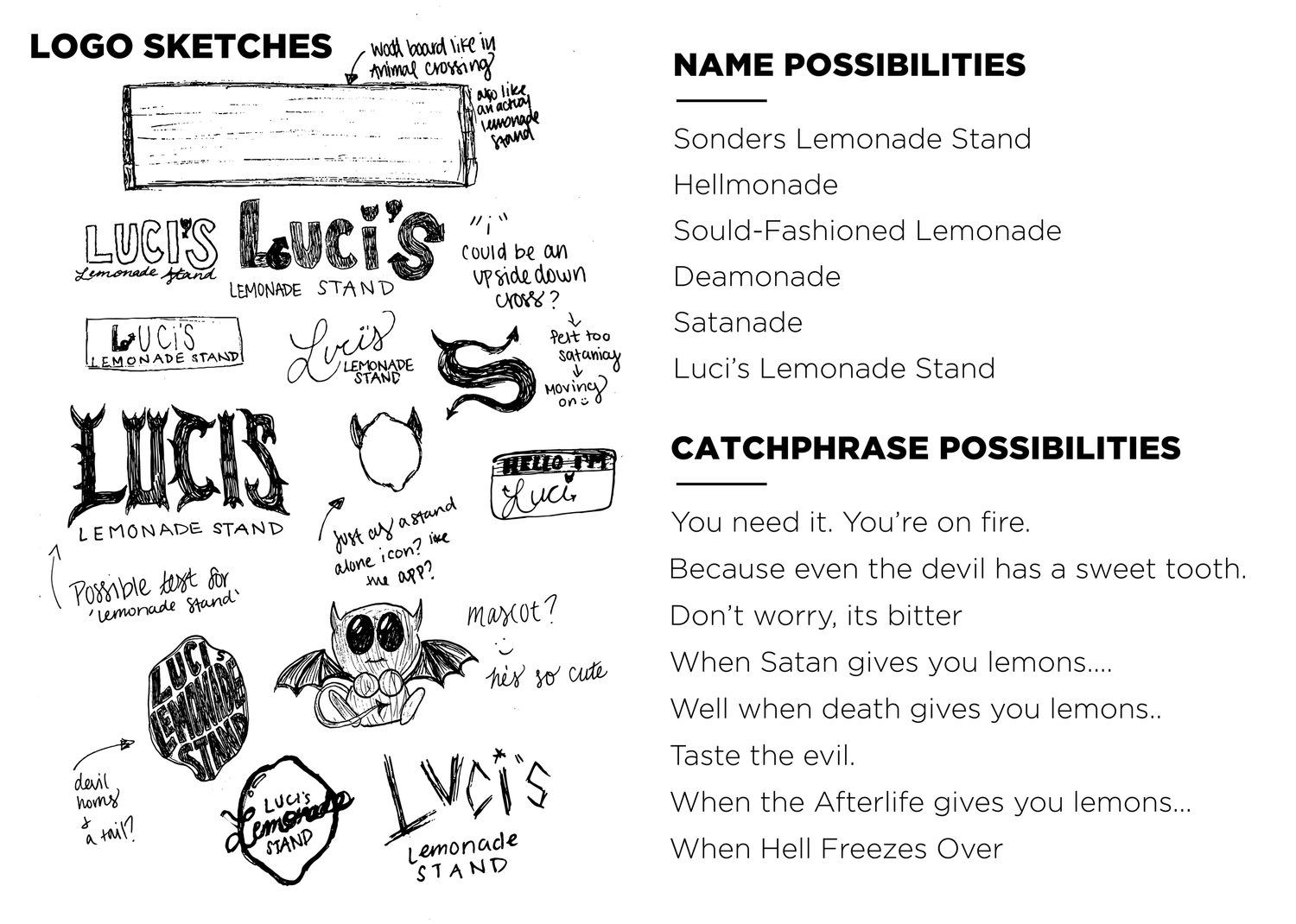
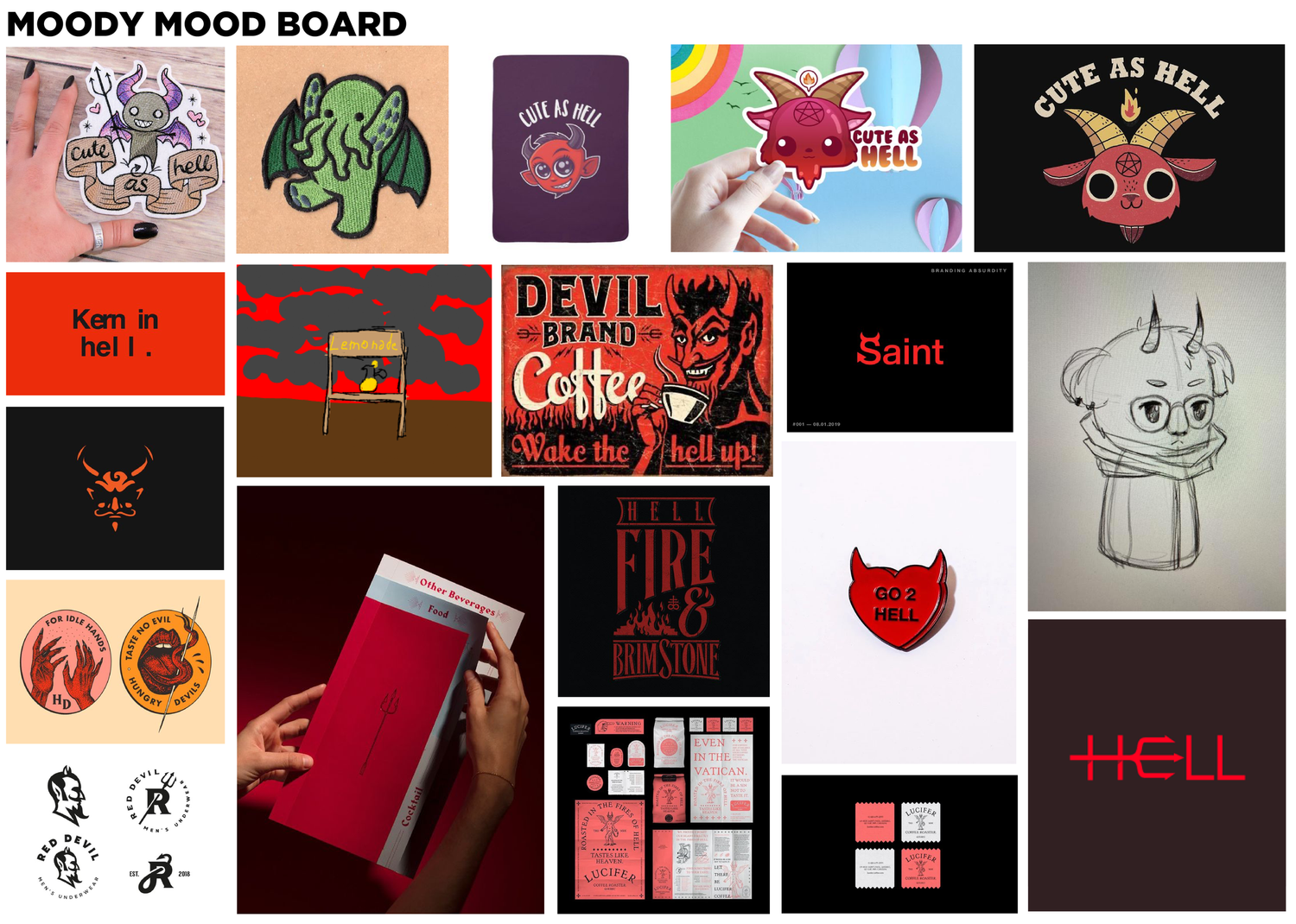
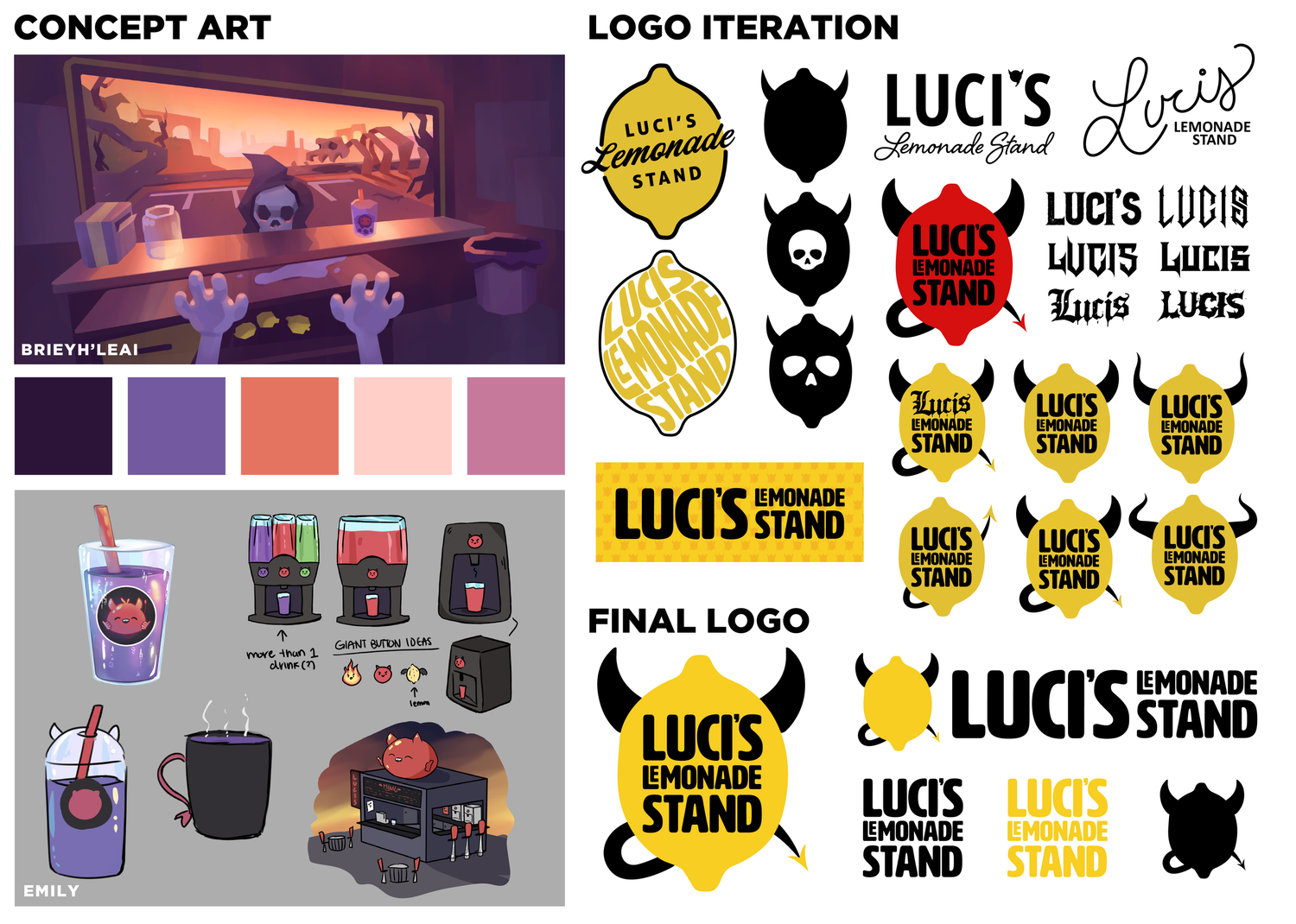
I explored a wide visual spectrum, from charming to devilishly dark, through mood boards, sketches, and iterative logo designs. Assets were created with future scalability in mind, such as upgraded items and environmental storytelling elements, intended to expand as the game developed. This was just a 10-week project, so some features had to be alluded to rather than implemented in the version you can play today.
Collabing with development:
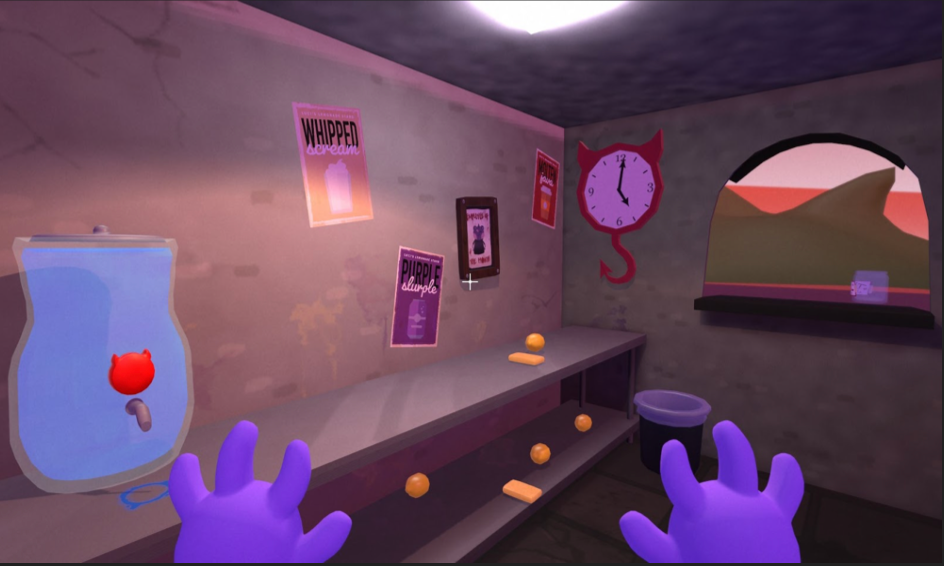
I worked closely with my team members in Unity to integrate assets, troubleshoot behaviors, and adjust specifications such as sizing, file formats, and placement. This ensured a seamless implementation of visual elements into the game environment.
Visual Storytelling:
Posters and menu items were designed to subtly guide the player’s journey, hinting at future upgrades and game expansion, creating a sense of anticipation and progression. We intentionally wanted to leave the UI on the screen as minimal as possible to add to the first person immersion, where the game design was intuitive and spoke for itself.
Stretch Goals & Future Vision
While the course was limited to 10 weeks, the design intentionally envisioned scalable features—such as upgrading items, renovating the stand, and expanding interactive elements—that could deepen gameplay and visual storytelling in future iterations.
Final Thoughts
My favorite part of this project was collaborating with a talented team to bring a playful, dark world to life. I enjoyed the balance of crafting assets that were not only visually appealing but also functional, interactive, and narrative-driven, blending art and design with implementation in Unity.
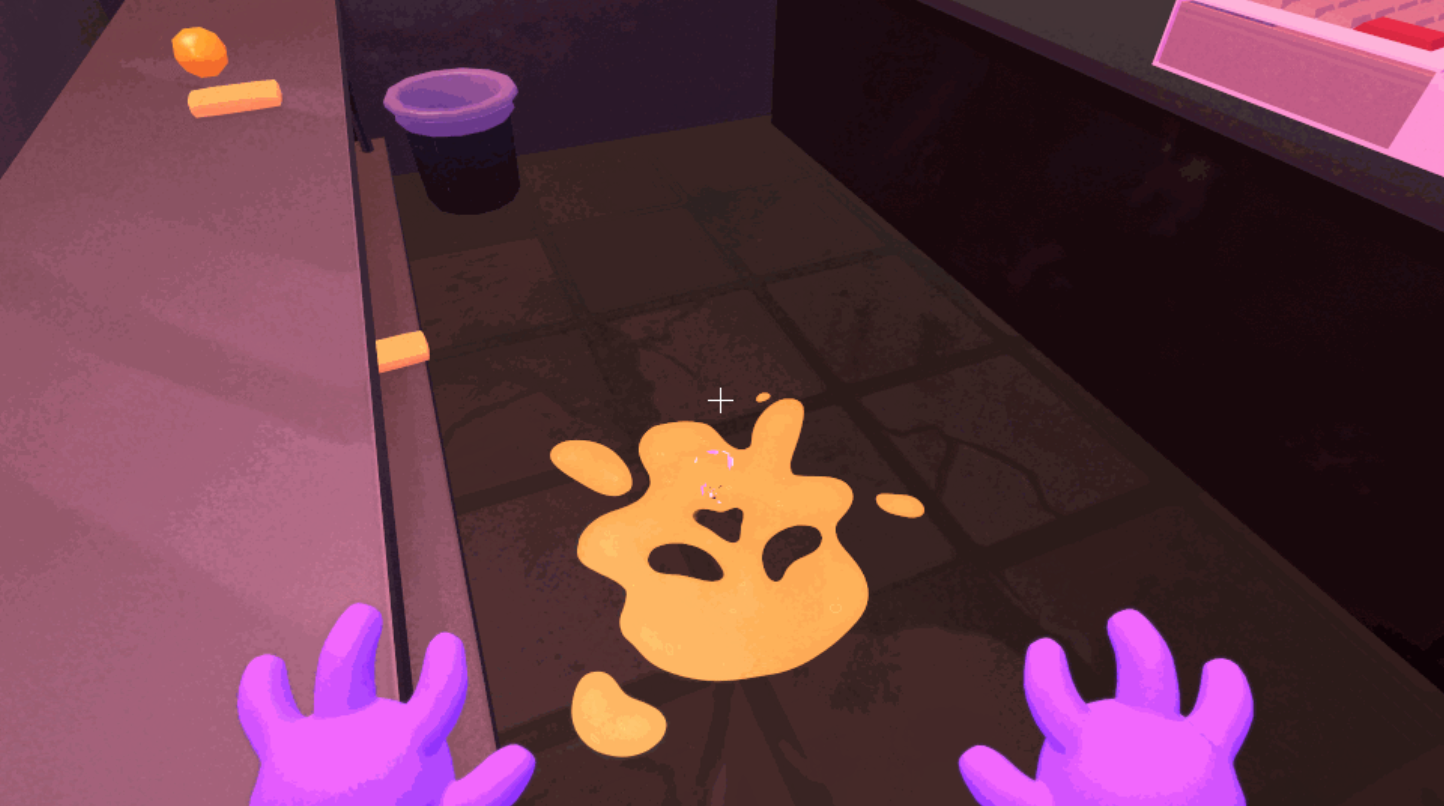
In-Game Screenshots